|
Open this newsletter in your browser
|
| TEMS Newsletter #8 |
| TEMS - which stands for Trusted European Media data Space - is a joint undertaking of 42 organisations representing hundreds of stakeholders from 12 countries in the cultural and creative sectors. TEMS is the flagship European initiative to build a resilient data-driven ecosystem in the media sector. |
|
| DATA SPACES SYMPOSIUM: A CALL TO SCALE |
| “We’ve invested enormous effort, resources and brainpower into planting the tree — building the technical foundations. Now that the first apples are clearly visible, it’s time for a mindset shift. Don’t be shy: bring baskets. There is real value ready to be harvested. Season two is about adoption, use and viable business models. The groundwork is done; the ecosystem is bearing fruit. What matters now is ensuring that these results scale, reach the market, and create sustainable impact for everyone involved.” |
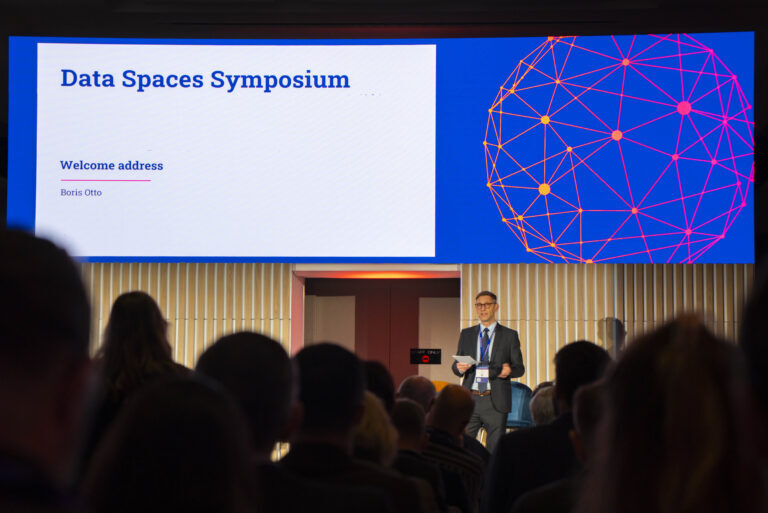
| These were the words that opened the 2026 Data Spaces Symposium in Madrid. Speaking to policymakers, researchers, and innovators from Europe and beyond, Boris Otto from Fraunhofer ISST underscored the urgency of setting global standards that enable Europe to jointly unlock the benefits of data. His message set the tone for the entire event: the foundations are in place — now the focus must shift to adoption, scale and sustainable value creation. |
|
| TEMS as the Backbone for AI‑Ready, Rights‑Protected Media Data |
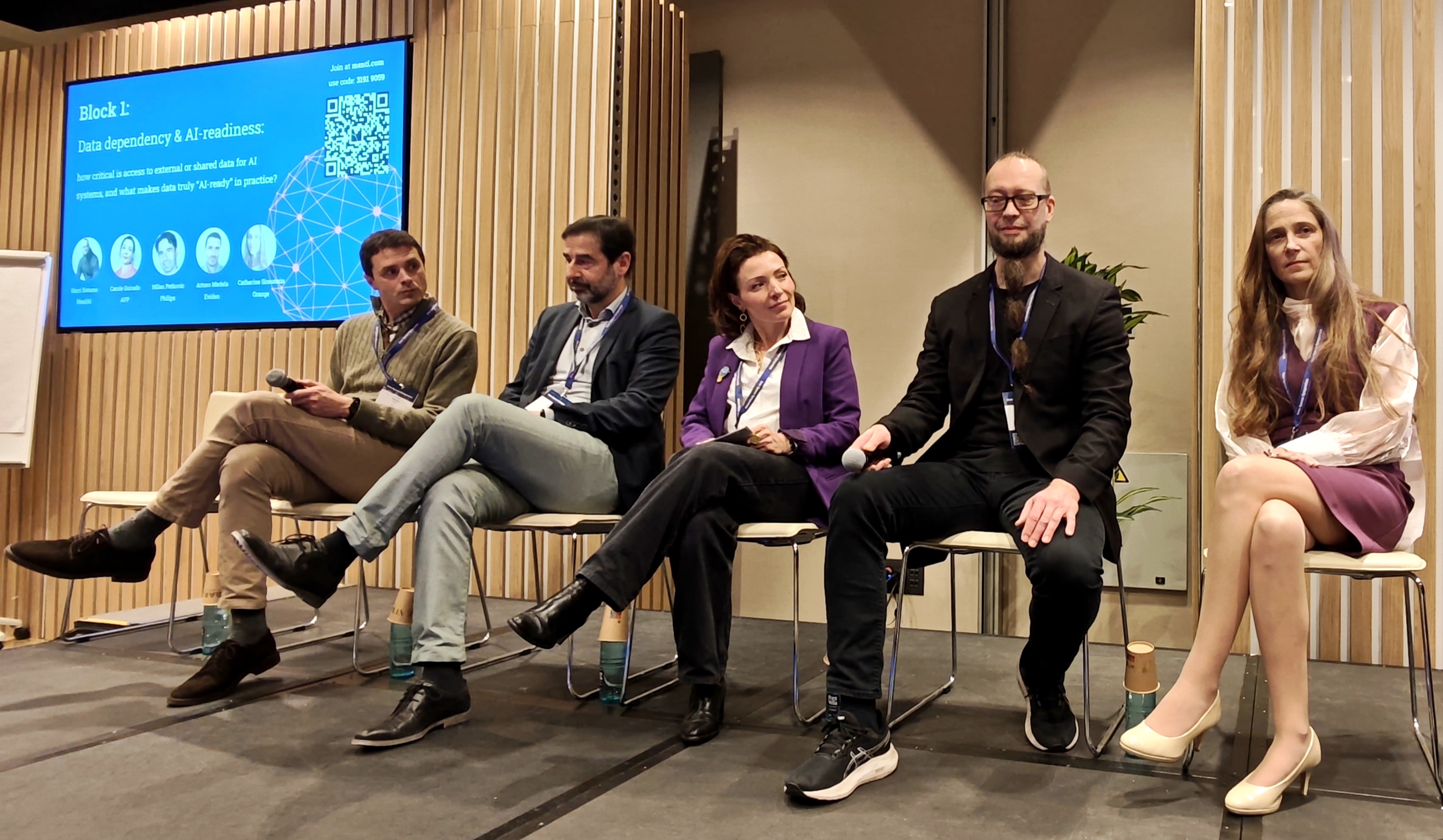
| Carole Guirado from AFP offered a clear diagnosis of the media sector’s AI challenge: the issue is not data scarcity, but fragmentation, inconsistent metadata, standards unevenly applied and complex rights‑management rules that make European media content difficult to use safely and at scale. AI‑readiness, she argued, requires far more than data quality — it demands shared standards, multimodal data models, machine‑readable rights, stable access points, and full traceability. Without a coordinated effort to structure and protect their content, media organisations risk losing commercial value as AI companies increasingly build their own tools to clean, index and repurpose media archives. |
| This is where TEMS becomes transformative. By providing a trusted European governance model, TEMS allows news agencies, broadcasters, publishers, fact‑checkers, podcasters and XR studios to collaborate under common rules and technical safeguards. It enables AI innovation without sacrificing intellectual property, thanks to machine‑readable rights, provenance and secure data exchange. Guirado highlighted concrete examples to show how data spaces can generate new revenue streams and strengthen democratic resilience. Her conclusion was unequivocal: AI‑focused data spaces are essential for ensuring that Europe’s media ecosystem innovates together while keeping control of its rights, its value and its future. |
|
| How TEMS Is Helping Prepare the Ground for Future Value |
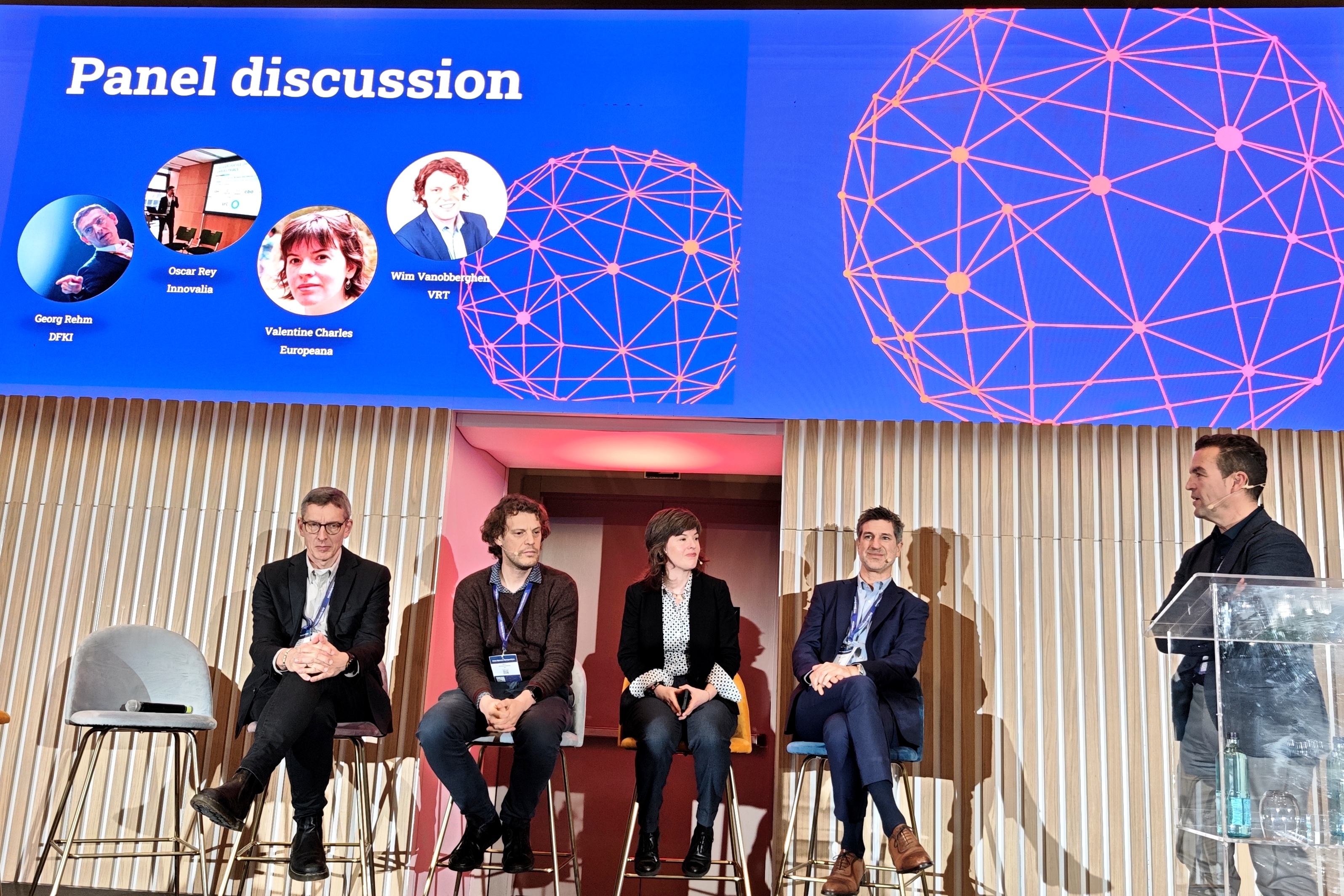
| VRT’s intervention made the potential of data spaces very tangible for cultural and creative industries. Starting from their virtual production setup—with a multi‑functional studio and LED wall—they showed how reusing 3D models is becoming essential for efficient, future‑proof content creation. VRT outlined the concrete needs of media companies: access to relevant 3D models adapted to broadcast workflows, better discoverability of European 3D providers, support for new formats such as Gaussian Splatting, and ways to balance in‑house creation with reuse and external collaboration. On the other side, 3D digitisers are looking for reliable entry points into the media sector, opportunities to understand editorial needs, and channels to monetise and customise their models beyond heritage and tourism. |
| Within this context, TEMS is helping prepare the ground for new forms of cooperation between broadcasters, cultural heritage institutions, 3D digitisation companies and other creative players. The 3D model marketplace concept presented in the session—complete with filters, rights and licenses, bookmarks, and integrated purchase flows—illustrates how a trusted environment could support discovery, exchange and co‑creation around high‑value cultural assets. By exploring how to connect repositories like Arctur’s 3D Heritage with media production workflows, and by inviting stakeholders to continue the conversation in dedicated workshops, this work is not about showcasing a finished product, but about shaping the conditions for a future ecosystem where cultural, media and linguistic resources can be reused, enriched and monetised in a structured, rights‑respecting way. |
|
| From Strategic Recommendations to Hands‑On Adoption |
| Speakers repeatedly highlighted that accelerating adoption now depends on making data spaces easier to join, easier to understand and easier to use. Across sessions, the emphasis fell on practical enablers: test‑before‑invest opportunities, tailored onboarding, and partnerships with legacy systems that allow organisations to participate without overhauling their entire infrastructure. Participants also stressed the need to raise awareness, incentivise engagement, and continue building a dynamic, interoperable ecosystem where data spaces can connect and evolve together. These recommendations reflect a shared understanding that lowering barriers — not adding new layers of abstraction — will determine whether data spaces scale across Europe. |
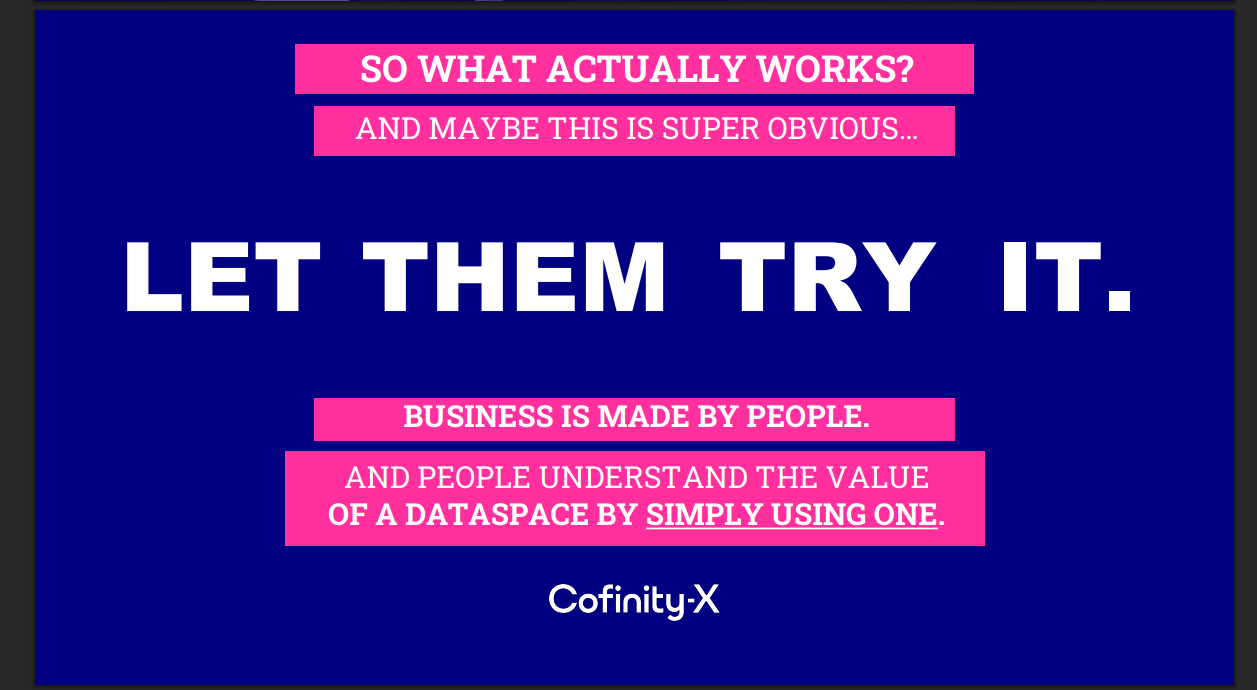
| And yet, the most powerful conclusion of DSS 2026 was remarkably simple. As Cofinity‑X demonstrated, the fastest way for organisations to grasp the value of a data space is to experience one directly. Give people access, assign an identity, spin up a connector, walk them through a real scenario — and everything clicks. After years of conceptual debate, the community is moving decisively toward hands‑on adoption. The message that resonated across sectors was clear: stop debating, start operating. Europe’s next phase will be defined not by frameworks, but by use. |
|
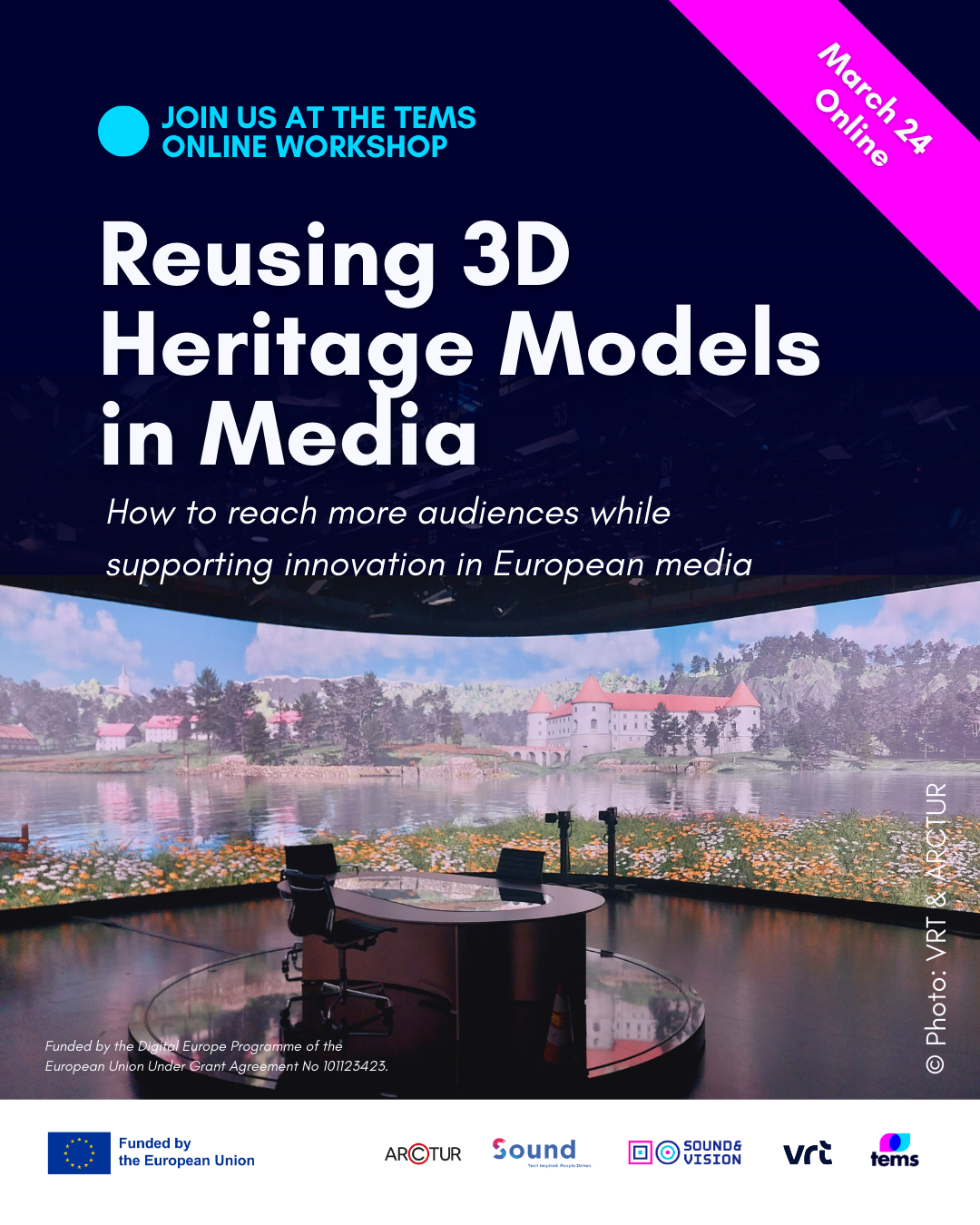
| NEW ONLINE WORKSHOP: REUSING 3D HERITAGE MODELS IN MEDIA |
| In this TEMS online workshop, we will explore how 3D models can be used by the broader media landscape. How might broadcasters use 3D models in their (virtual) productions? What models are available and ready to use in games? And can 3D models also be used in newsrooms or any other innovative, future proof productions? This workshop will facilitate conversations between heritage and media organizations to explore the value proposition of using 3D models to innovate media, shaping the TEMS Market and co-creation place for 3D environments for virtual production into a useful platform. |
|
|
|

|
|
If you do not wish to receive more information about TEMS, click Unsubscribe
|
|